Municipalities play a critical role in preparing for, responding to, and recovering from disasters. UConn Extension's EDEN program partners with local governments, emergency managers, planners, and community leaders to strengthen resilience across Connecticut’s towns and cities.
We provide science-based resources, training, and technical assistance to help municipalities address a wide range of hazards—from flooding and severe storms to public health emergencies and infrastructure disruptions. Our goal is to support informed decision-making, foster collaboration, and build capacity at the local level to protect residents, property, and natural resources.
Explore our tools and guidance to help your community plan ahead and bounce back stronger or contact one of our team members for more information. Visit the flooding and hurricanes page for those resources.
Programs
Adapt CT
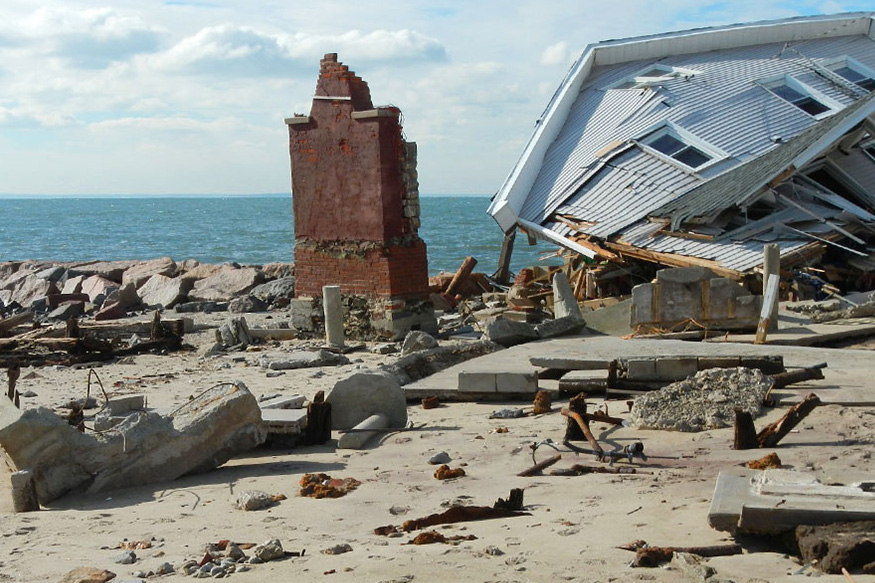
Adapt CT is an outreach partnership between Connecticut Sea Grant and the Center for Land Use Education and Research (CLEAR) working to provide information, tools, trainings and workshop opportunities to assist municipalities, businesses and residents of Connecticut in their efforts to prepare for and adapt to the impacts of a changing climate. Drawing on expertise from faculty within multiple departments at UConn and other universities, municipal officials, consultants, and lawyers, we strive to share the most recent information and research that communities need to make decisions on how to best adapt to the climate change impacts facing Connecticut.

Connecticut Institute of Water Resources
The Connecticut Institute of Water Resources (CTIWR) at UConn provides resources to help homeowners and municipalities prepare for and respond to water-related emergencies. Through tools like drought monitoring, streamflow tracking, and its popular well water testing program, CTIWR equips communities with the knowledge to make informed decisions about water use, safety, and conservation. Their outreach includes fact sheets, training, and guidance designed to reduce risks and build resilience to climate-related events such as flooding and drought.
Healthy Coastal Ecosystems
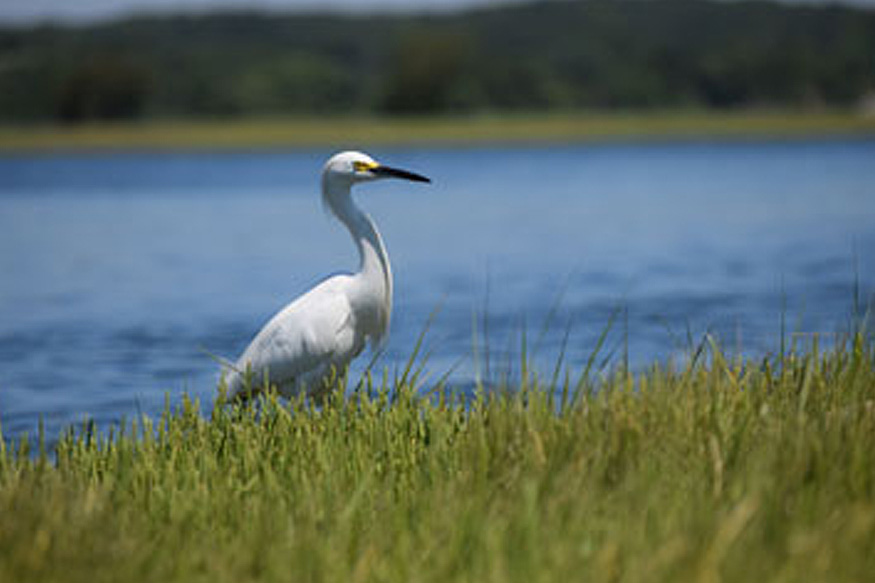
Healthy Coastal Ecosystems is another initiative from our Connecticut Sea Grant and UConn Extension educators that supports management efforts to conserve and protect ecosystems, habitats and living resources within Connecticut and the northeastern United States.
Sustainable and Resilient Communities
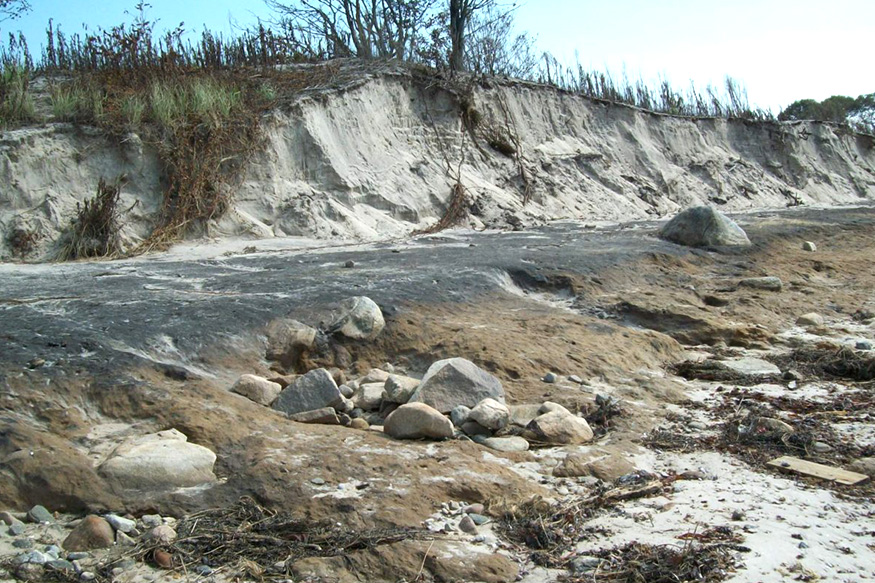
Connecticut Sea Grant's Programs for Sustainable and Resilient Communities help communities respond to their specific needs and is part of our collaboration with the Long Island Sound Partnership (their Resilience Resource Hub has resources, case studies, funding opportunities, and trainings).
Stormwise Forest Managment
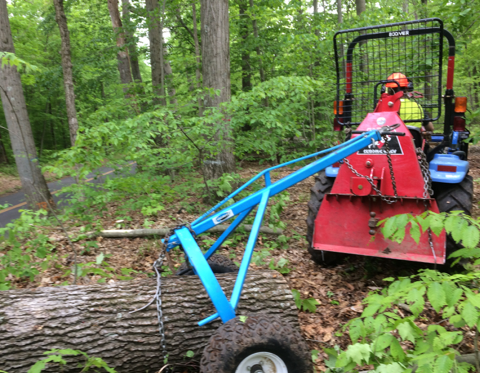
The UConn Stormwise program, led through the Eversource Energy Center and Extension Forestry, is a forest and roadside vegetation management initiative designed to reduce the risk of tree‑related storm damage to power lines and grid infrastructure. It combines ecological research (e.g. wind resilience, tree biomechanics, remote sensing) with social outreach and practical guidance—working closely with utility companies, municipalities, landowners, and communities—to promote long‑term forest and tree care practices that increase resilience to storms while maintaining the aesthetic appeal of New England’s landscapes.
Reducing Flood Risk in our Communities
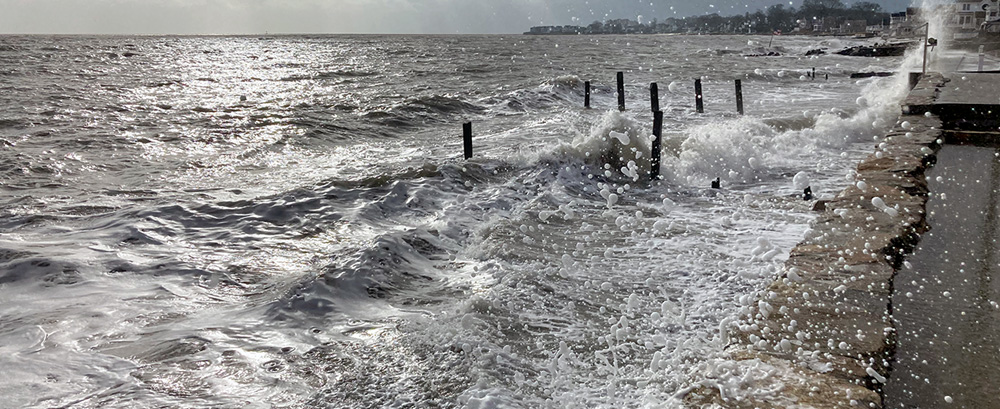
Severe rain events and flooding in our municipalities and communities is becoming more common. Flood risk reduction involves adapting infrastructure and land use to increasing flood frequency and intensity along with mitigating human impacts on climate change. While strategies must be place specific, this fact sheet provides starting point guidance on how different stakeholders in Connecticut’s land and infrastructure can contribute to reducing floods.

Brush Fires in Connecticut: Be Aware, Be Prepared
In many parts of Connecticut stretches of warm, breezy weather with little rainfall can be the norm. While these conditions may seem typical and easy to take for granted in daily routines, they can become especially concerning during the spring season (before leaves have fully emerged), as well as during the autumn months (as dry leaves fall and accumulate). Drying leaves create a blanket of combustible material across landscapes. The combination of dry fuels and windy conditions increases the risk of forest and brush fires in both rural and suburban areas. Similar dry conditions are uncommon but possible during other months and can also lead to brush fires.